
Armor Piercing
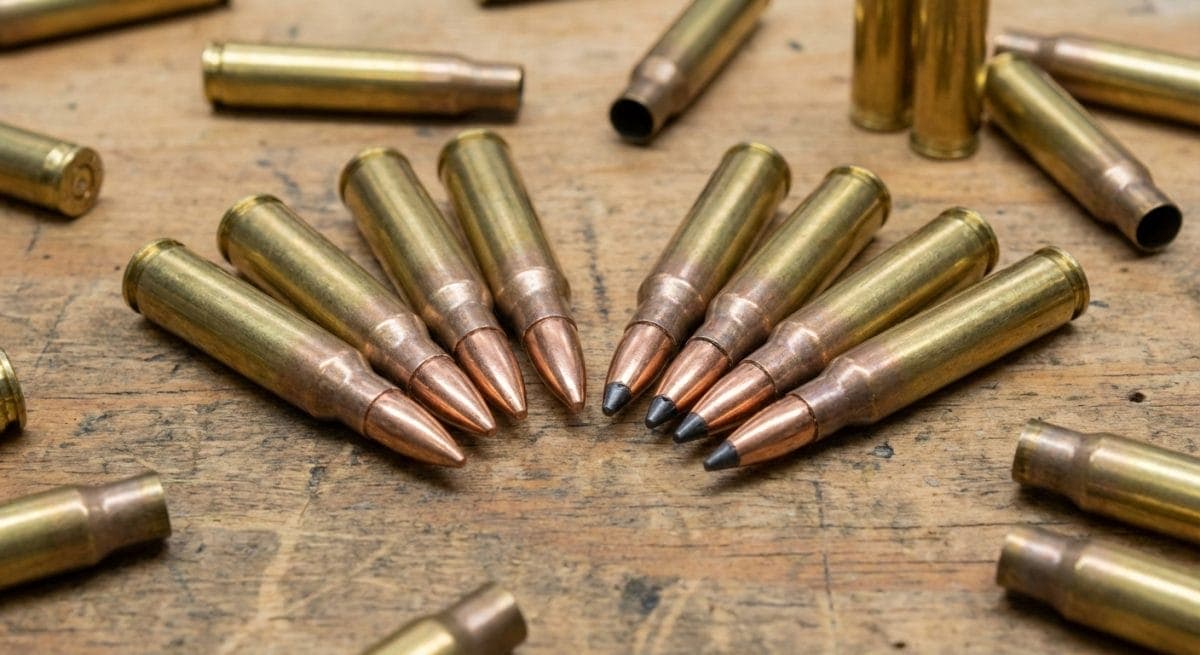
Armor piercing ammunition for the AR-15 refers to specialized cartridges designed to penetrate hard targets, typically featuring a steel or tungsten core within the projectile. The most common example is M855 “green tip” 5.56 NATO ammunition, which contains a 62-grain bullet with a steel penetrator core beneath the copper jacket.
What Makes Ammunition Armor-Piercing?
True AP rounds incorporate hardened materials in their construction. Standard armor-piercing bullets feature:
- Steel core penetrators (like M855/SS109)
- Tungsten alloy cores for enhanced penetration
- Hardened steel tips
- Specialized jacket designs that maintain projectile integrity on impact
Legal Considerations for AR-15 Builders
Federal law restricts armor-piercing handgun ammunition, but rifle calibers like 5.56 NATO typically remain legal for civilian ownership. However, some states prohibit AP ammo entirely. Before configuring your build on AR15 Outfitters’ builder, verify your local regulations.
Build Implications
When building an AR-15 intended to fire armor-piercing rounds:
- Barrel twist rate: M855 performs optimally with 1:7 or 1:8 twist rates due to its longer, 62-grain projectile
- Chamber specifications: Ensure your barrel has proper 5.56 NATO chamber dimensions, not just .223 Remington
- Gas system tuning: Steel core ammunition typically generates different pressure curves than standard ammo
Performance Reality
Despite the “armor-piercing” designation, M855 green tip will not reliably penetrate modern Level III or Level IV body armor. These rounds excel at penetrating light barriers like car doors or building materials, not purpose-built armor plates. For maximum barrier penetration from an AR-15 platform, specialized tungsten-core rounds offer superior performance, though at significantly higher cost per cartridge.
Disclaimer: AR15 Outfitters does not sell firearms. This site is an information and affiliate resource only. All purchases are completed through licensed retailers. Always comply with all federal, state, and local laws when building or purchasing firearms and firearm components.