
Carbon Fouling
Carbon Fouling
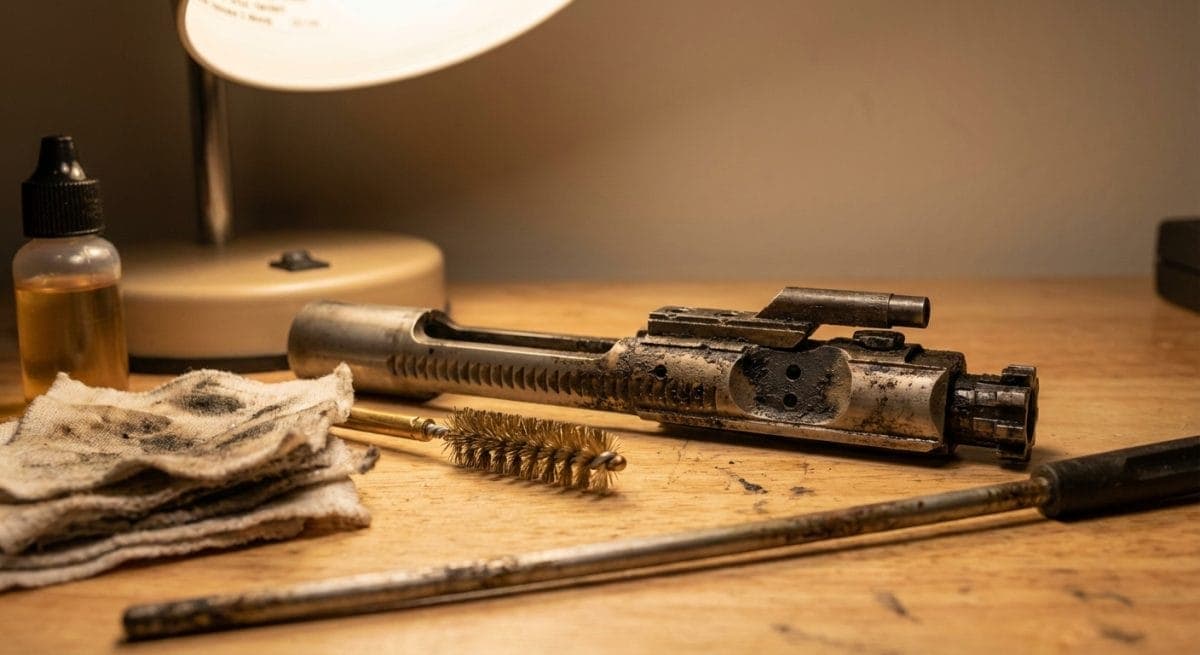
Carbon fouling is the accumulation of carbon deposits inside your AR-15, primarily in the barrel, chamber, and bolt carrier group (BCG). These carbon deposits form as a natural byproduct of powder combustion: when you fire a round, the burning gunpowder leaves behind carbon residue that builds up over time.
Why Carbon Fouling Matters for AR-15 Builders
Understanding carbon fouling is essential when selecting components for your build. Different barrel materials and coatings handle fouling differently. For example, chrome-lined barrels typically resist carbon buildup better than bare stainless steel, while nitride treatments fall somewhere in between. Your bolt selection also matters: nickel boron and titanium nitride BCG coatings make it easier to remove carbon compared to standard phosphate finishes.
When using the AR15 Outfitters builder, consider how your intended use affects fouling rates. High-volume shooters or suppressor users will experience accelerated carbon buildup, making easy-to-clean components worth the investment.
Practical Management Tips
To manage carbon fouling AR-15 cleaning becomes straightforward with the right approach:
- Use a quality carbon-specific solvent or cleaner designed to break down deposits
- Focus on the bolt tail, firing pin channel, and cam pin area where carbon accumulates heavily
- A carbon scraper tool helps remove stubborn deposits from the bolt tail
- Regular cleaning every 500 to 1,000 rounds prevents excessive buildup
While some carbon fouling is normal and won’t immediately affect function, excessive buildup can cause extraction issues, gas key problems, and accuracy degradation. The key is finding the balance between obsessive cleaning and neglect: your rifle will tell you when it needs attention through increased malfunctions or sluggish cycling.
Disclaimer: AR15 Outfitters does not sell firearms. This site is an information and affiliate resource only. All purchases are completed through licensed retailers. Always comply with all federal, state, and local laws when building or purchasing firearms and firearm components.