
Cycle Rate
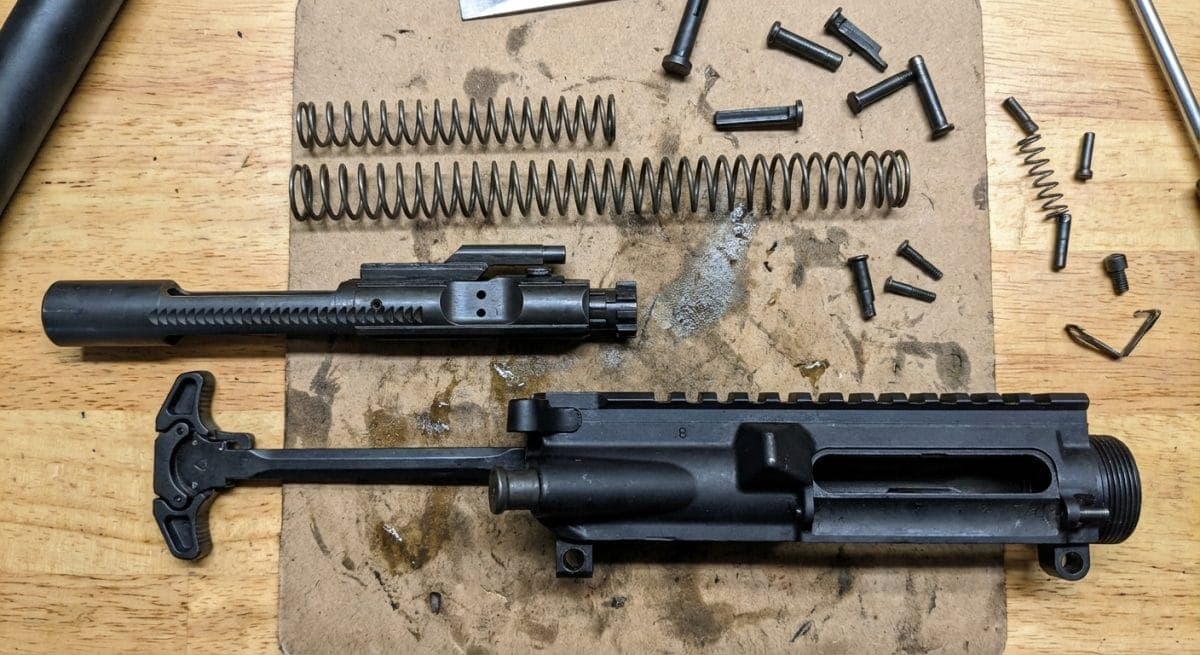
The cycle rate of an AR-15 refers to how fast the bolt carrier group (BCG) completes its operational cycle: unlocking, extracting, ejecting the spent case, then feeding and chambering a new round. This rate directly impacts your rifle’s reliability, recoil characteristics, and component longevity.
Understanding AR-15 Cycle Rate
In semi-automatic AR-15 rifles, the cycle rate determines how quickly the action resets between shots. While full auto variants measure cyclic rate in rounds per minute (typically 700-950 RPM), semi-auto builders focus on the carrier’s velocity and dwell time. A properly tuned cycle rate ensures your BCG has enough energy to reliably eject spent brass while avoiding excessive bolt bounce that can cause malfunctions.
Why Cycle Rate Matters for Your Build
The cycle rate affects three key areas of rifle performance:
- Reliability: Too fast causes violent extraction and premature wear on the cam pin and upper receiver. Too slow results in short-stroking and failure to eject.
- Recoil management: Faster cycling typically increases felt recoil impulse, important for home defense or competition builds.
- Component selection: Your gas system length (carbine, mid-length, rifle), buffer weight, and gas block configuration all influence cycle rate.
Tuning Your Cycle Rate
When configuring your build on the AR15 Outfitters builder, consider these factors:
- Gas system length: Longer systems generally produce slower, smoother cycling
- Buffer weight: Heavier buffers (H2, H3) slow the cycle rate
- Adjustable gas blocks: Allow fine-tuning for specific ammo and suppressor use
- BCG weight: Lightweight carriers increase cycle rate; standard or enhanced mass carriers slow it down
For most builds, aim for brass ejection at the 3-4 o’clock position, indicating optimal cycle timing and gas pressure.
Disclaimer: AR15 Outfitters does not sell firearms. This site is an information and affiliate resource only. All purchases are completed through licensed retailers. Always comply with all federal, state, and local laws when building or purchasing firearms and firearm components.