
Hammer Follow
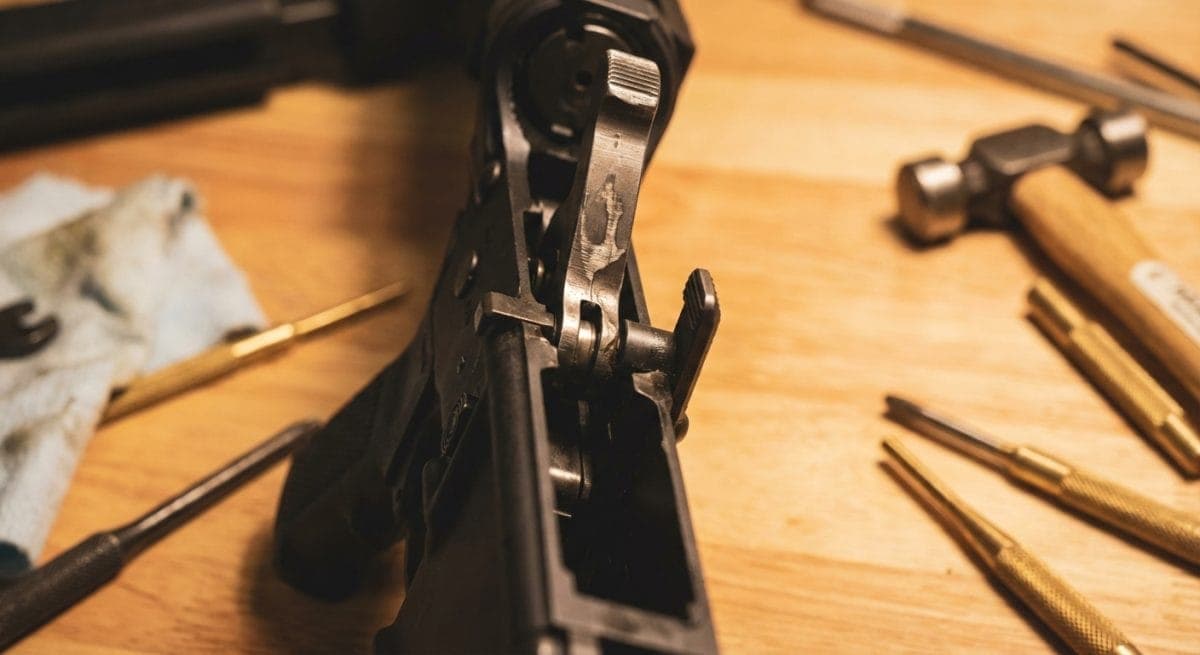
Hammer follow is a dangerous trigger malfunction where the hammer rides the bolt carrier group forward after firing, potentially causing unintended discharge. This occurs when the disconnector fails to catch and hold the hammer after a shot, allowing it to follow the bolt carrier as it returns to battery.
How Hammer Follow Works
In a properly functioning AR-15 trigger system, the firing sequence works like this: When you pull the trigger, the hammer strikes the firing pin. As the bolt carrier moves rearward, it pushes the hammer back where the disconnector catches it. When you release the trigger, the disconnector releases the hammer to the sear, which holds it cocked for the next shot.
During a hammer follow malfunction, the disconnector fails to catch the hammer. Instead, the hammer follows the bolt carrier forward under spring tension, potentially striking the firing pin with enough force to fire the chambered round without pulling the trigger again.
Common Causes in AR-15 Builds
Several build-related issues typically cause hammer follow:
- Worn or improperly tensioned disconnector spring (often called the trigger spring in AR-15s)
- Out-of-spec trigger components with incorrect engagement surfaces
- Improper installation of fire control parts
- Mixing incompatible trigger components from different manufacturers
- Excessive polishing of sear or disconnector engagement surfaces
Prevention Tips for Builders
When selecting trigger components on the AR15 Outfitters builder, stick with complete trigger groups from reputable manufacturers. Quality drop-in triggers typically eliminate hammer follow concerns through precise manufacturing tolerances.
If assembling a mil-spec trigger, inspect the disconnector engagement surface: it should have a clean, square edge without excessive wear or rounding. The disconnector spring should provide 2-3 pounds of upward pressure when compressed.
Always function-check your trigger after installation. With the rifle unloaded and pointed in a safe direction, cock the hammer, pull and hold the trigger, then manually cycle the action. When you release the trigger, you should hear a distinct click as the hammer transfers from disconnector to sear. If the hammer falls when cycling the action while holding the trigger back, stop immediately and diagnose the issue.
Disclaimer: AR15 Outfitters does not sell firearms. This site is an information and affiliate resource only. All purchases are completed through licensed retailers. Always comply with all federal, state, and local laws when building or purchasing firearms and firearm components.