
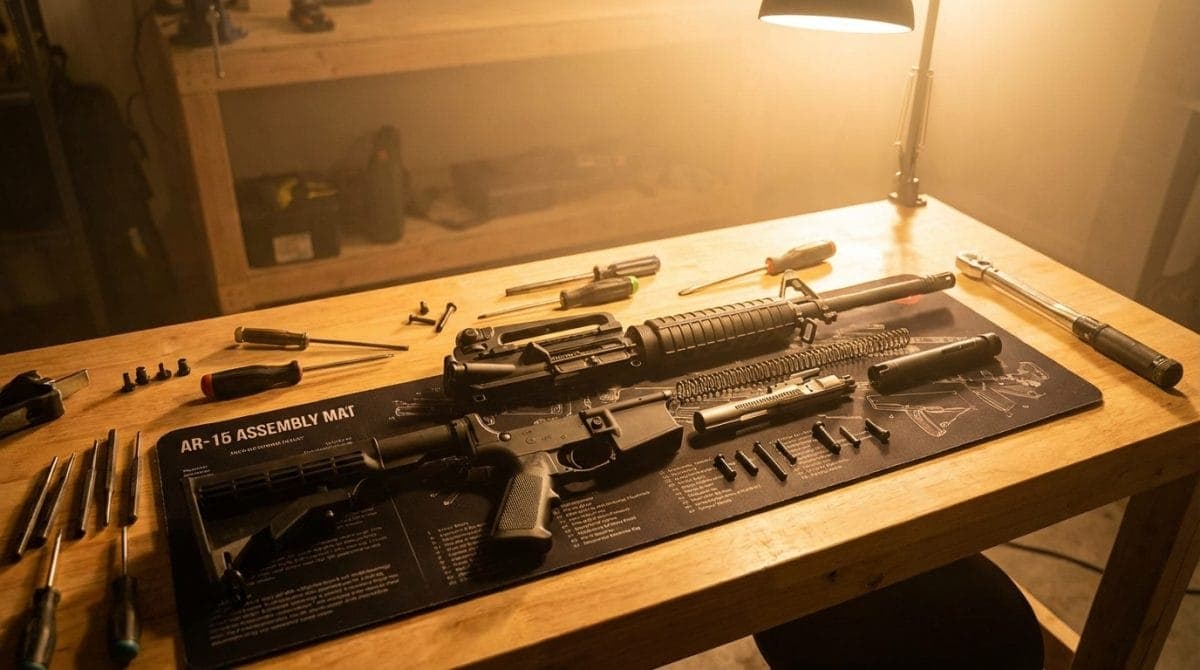
AR-15 Gas System Lengths Explained: Pistol, Carbine, Mid, Rifle
By AR-15 Outfitters · April 9, 2026
AR15 Outfitters may earn a commission on purchases made through links in this guide. This does not affect pricing or our recommendations.
Understanding AR-15 gas system lengths is fundamental to building a reliable, smooth-shooting rifle. The gas system you choose directly impacts recoil impulse, reliability, parts wear, and overall shooting experience. Whether you’re building your first AR-15 or optimizing an existing build, selecting the right gas system length for your barrel and intended use makes a significant difference in performance.
The direct impingement gas system in an AR-15 operates by tapping gas from the barrel through a gas port, directing it back through a gas tube to cycle the action. The distance from the chamber to this gas port determines your gas system length, which in turn affects pressure, timing, and cycling characteristics.
The Four AR-15 Gas System Lengths
Pistol Length Gas System
The pistol length gas system positions the gas port approximately 4 inches from the receiver. This shortest gas system is designed for barrels ranging from 7 to 11.5 inches, most commonly seen on 10.3 and 11.5-inch barrels.
With a dwell time of only 3 to 4 inches (the distance from gas port to muzzle), pistol systems operate under extremely high pressure. On a 10.5-inch barrel, gas pressure at the port typically measures around 25,000 to 30,000 PSI. This high pressure ensures reliable cycling with short barrels but comes with trade-offs.
The violent cycling creates a sharp recoil impulse and accelerated bolt carrier velocity, often exceeding 35 feet per second. This increased speed leads to harder extraction, more stress on components, and faster wear on bolt lugs, cam pins, and buffer components. Many builders compensate with heavier buffers (H2 or H3) and stronger springs to slow the action.
Carbine Length Gas System
The carbine length system places the gas port at approximately 7 inches from the receiver. Originally designed for the 14.5-inch M4 barrel, it’s now commonly used on 14.5 to 16-inch barrels, with 16-inch carbine configurations being extremely popular.
On a 16-inch barrel, dwell time extends to about 9 inches, significantly longer than pistol systems. Gas port pressure typically measures 18,000 to 22,000 PSI, noticeably lower than pistol length. This moderate pressure provides reliable function while reducing some of the harshness associated with shorter systems.
Bolt carrier velocity in carbine systems typically ranges from 28 to 32 feet per second. While still brisk, this represents a meaningful reduction compared to pistol systems. The carbine length strikes a balance between compact size and manageable recoil, making it suitable for general-purpose rifles.
Mid-Length Gas System
Mid-length systems position the gas port at approximately 9 inches from the receiver. This system excels on 14.5 to 18-inch barrels, with 16-inch mid-length configurations gaining popularity among knowledgeable builders.
A 16-inch barrel with mid-length gas provides about 7 inches of dwell time. Gas port pressure drops to approximately 12,000 to 15,000 PSI, creating a notably softer shooting experience. This lower pressure translates to bolt carrier velocities around 24 to 28 feet per second.
The reduced operating pressure of mid-length systems significantly decreases parts wear. Extraction occurs at lower chamber pressure, reducing stress on the extractor and bolt. Many shooters report that mid-length 16-inch rifles feel comparable to shooting a 20-inch rifle in terms of recoil impulse.
Rifle-Length Gas System
The rifle-length system extends the gas port to approximately 12 inches from the receiver. Designed for 18 to 20-inch barrels (standard on the M16), this system provides the smoothest operation of all configurations.
With 8 inches of dwell time on a 20-inch barrel, gas port pressure drops to around 8,000 to 11,000 PSI. This low pressure creates gentle cycling with bolt velocities typically under 24 feet per second. The smooth operation minimizes felt recoil and maximizes parts longevity.
Rifle-length systems offer exceptional reliability with standard ammunition while providing the softest recoil impulse. The longer sight radius when using a front sight block gas block provides an additional benefit for iron sight shooters.
Gas System Comparison Table
| Gas System | Port Distance | Typical Barrel Lengths | Port Pressure (PSI) | Bolt Velocity (fps) | Recoil Character |
|---|---|---|---|---|---|
| Pistol | 4 inches | 7-11.5 inches | 25,000-30,000 | 30-35+ | Sharp, snappy |
| Carbine | 7 inches | 14.5-16 inches | 18,000-22,000 | 28-32 | Moderate |
| Mid-Length | 9 inches | 14.5-18 inches | 12,000-15,000 | 24-28 | Smooth |
| Rifle | 12 inches | 18-20 inches | 8,000-11,000 | 20-24 | Very smooth |
How Gas System Length Affects Performance
Felt Recoil and Shooter Comfort
Gas system length directly correlates with felt recoil through several mechanisms. Shorter gas systems create higher bolt velocity, resulting in more aggressive buffer impact. When the bolt carrier strikes the buffer at 35 feet per second versus 24 feet per second, the difference is immediately noticeable.
The pressure curve also affects recoil character. Pistol and carbine systems experience a sharp pressure spike, creating a “slap” sensation. Mid-length and rifle systems spread the pressure impulse over more time, producing a gentler “push” that many shooters find more manageable during rapid fire.
Bolt Speed and Timing
Optimal bolt carrier velocity typically falls between 20 and 28 feet per second. Excessive velocity causes violent extraction while the case is still expanded against the chamber walls, leading to torn case rims and extraction failures. It also increases bolt bounce, potentially causing light primer strikes on the following round.
Proper gas system selection helps achieve correct timing. The bolt should begin unlocking as chamber pressure drops below 15,000 PSI. Shorter gas systems often unlock prematurely, while longer systems provide better pressure curve matching.
Component Wear and Longevity
Higher operating pressures accelerate wear throughout the system. Bolt lugs experience increased shear stress during violent unlocking. Cam pins wear faster under higher rotational forces. Buffer retainers and springs fatigue more quickly from repeated high-velocity impacts.
Testing shows bolt life can vary significantly: pistol systems might see lug cracks at 10,000 to 15,000 rounds, while rifle-length systems often exceed 25,000 rounds under similar conditions. Extractor spring life follows similar patterns, with shorter systems requiring more frequent replacement.
Adjustable Gas Blocks: Fine-Tuning Your System
Adjustable gas blocks allow precise tuning of gas flow, optimizing performance regardless of system length. By restricting gas flow, you can reduce operating pressure in over-gassed systems or increase reliability with suppressors and various ammunition types.
Quality adjustable gas blocks feature click adjustments or set screws to regulate gas flow. Starting fully open, gradually restrict flow until the bolt fails to lock back, then open 1-2 clicks for reliability margin. This process, performed with your weakest ammunition, ensures reliable function across all loads.
Benefits include reduced recoil, decreased parts wear, and suppressor optimization. Many suppressed rifles run significantly over-gassed without adjustment, leading to excessive blowback and accelerated wear. Adjustable blocks solve this issue elegantly.
Selecting the Right Gas System for Your Build
Choose your gas system based on barrel length and intended use:
- 10.3-11.5 inch barrels: Pistol length remains the only practical choice for reliable function
- 14.5 inch barrels: Both carbine and mid-length work well; mid-length offers softer shooting
- 16 inch barrels: Mid-length provides optimal performance, though carbine remains functional
- 18 inch barrels: Rifle-length preferred, mid-length acceptable for lighter profile barrels
- 20 inch barrels: Rifle-length provides ideal pressure and timing
Consider ammunition requirements as well. Shorter gas systems provide more reliable function with weak ammunition but increase wear. Longer systems excel with full-power loads but may struggle with subsonic or light bullets.
Recommended Parts
Building a properly gassed AR-15 starts with selecting compatible, quality components. The AR15 Outfitters Builder simplifies this process by ensuring compatibility between your chosen barrel and gas system components.
For barrels, prioritize reputable manufacturers who properly size gas ports for each system length. Look for barrels explicitly stating gas system compatibility. The builder tool filters options based on your selected gas system length, eliminating guesswork.
Gas blocks come in several styles: standard front sight blocks, low-profile blocks for free-float handguards, and adjustable models. Match the gas block journal size to your barrel: 0.750 inches for most barrels, 0.625 inches for lightweight profiles, or 0.875 inches for bull barrels.
Gas tubes must match your system length exactly. While the tubes look similar, each length is specifically sized. Pistol tubes measure approximately 6.75 inches, carbine tubes 9.75 inches, mid-length tubes 11.75 inches, and rifle tubes 15 inches. Using the wrong length prevents proper BCG alignment.
When selecting buffer weights through the AR15 Outfitters Builder, consider your gas system: pistol systems typically require H2 or H3 buffers, carbine systems work well with H or H2 buffers, while mid-length and rifle systems often function perfectly with standard carbine buffers.
The builder tool helps match these components correctly, showing only compatible parts as you progress through your build. This prevents common errors like pairing a carbine gas tube with a mid-length barrel or selecting an incompatible gas block diameter.
Disclaimer: AR15 Outfitters does not sell firearms. This site is an information and affiliate resource only. All purchases are completed through licensed retailers. Always comply with all federal, state, and local laws when building or purchasing firearms and firearm components.